
Why Should You Choose a GRS PE Dog Poop Bag for More Sustainable Pet Waste Management
Synsoly provides packaging solutions for businesses seeking practical and resource-conscious products. A GRS PE Dog Poop Bag combines the familiar functionality of polyethylene with recycled-material sourcing, offering pet brands, retailers, and distributors an opportunity to improve their product portfolios while meeting growing demand for more responsible pet care supplies.
A GRS PE Dog Poop Bag is a pet waste collection bag made from polyethylene (PE) containing recycled material associated with the Global Recycled Standard (GRS). For pet product brands, choosing this type of bag involves more than selecting a material: buyers must evaluate recycled content, film strength, leak resistance, dispensing convenience, customization options, and supporting documentation. This guide explains how recycled PE dog waste bags work, what GRS certification means, which specifications matter most, and how businesses can assess suppliers before placing bulk orders. By balancing functional performance with transparent material claims, businesses can develop a more competitive and credible pet care product line.
Table of Contents
- What Is a GRS PE Dog Poop Bag?
- What Does GRS Certification Mean?
- Key Benefits of Recycled PE Dog Poop Bags
- Material Properties and Performance Requirements
- Important Product Specifications to Compare
- Applications Across the Pet Care Industry
- How to Choose a Reliable Supplier
- Customization and Private Label Opportunities
- Responsible Use and Environmental Considerations
- Frequently Asked Questions
- Conclusion
1. What Is a GRS PE Dog Poop Bag?
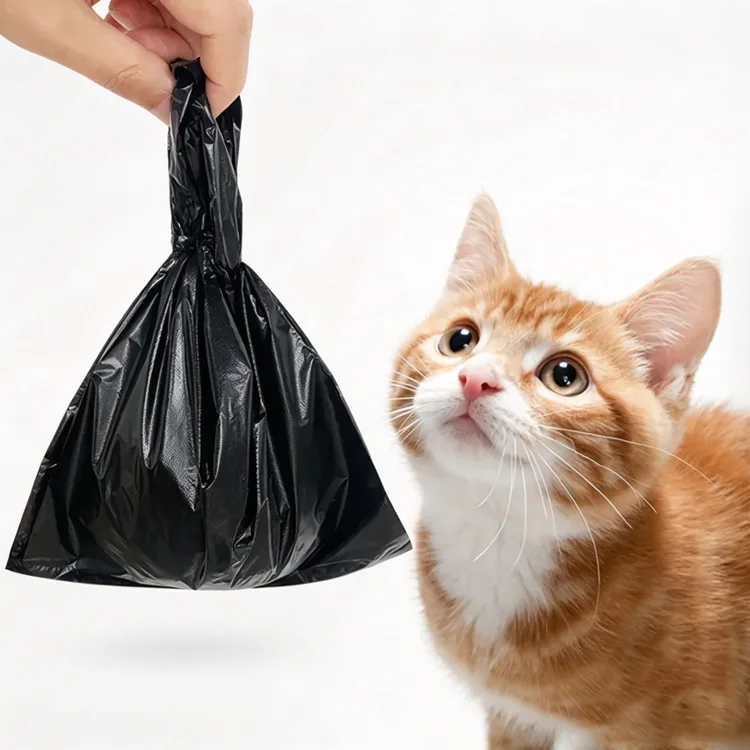
A GRS PE Dog Poop Bag is designed to collect and contain dog waste during daily walks, outdoor activities, and routine pet care. PE, or polyethylene, is widely used in flexible packaging because it can be processed into lightweight films with useful flexibility, tear resistance, and moisture resistance.
When recycled polyethylene is incorporated into a dog waste bag, previously used plastic material can be processed and reused as a raw material for a new application. This approach helps keep recovered plastic in productive use instead of relying exclusively on virgin plastic resin.
The exact composition and performance of the finished product depend on the selected PE grade, recycled content, film thickness, manufacturing process, and bag construction. Therefore, buyers should request a product specification sheet rather than assume that every recycled PE bag has identical properties.
Common product features may include:
- Recycled PE material: Polyethylene containing documented recycled feedstock.
- Practical dimensions: Sizes selected to accommodate different dog breeds and waste collection needs.
- Roll packaging: Individual bags supplied on perforated rolls for convenient dispensing.
- Custom appearance: Options for colors, printed branding, and retail packaging, depending on production capabilities.
- Everyday portability: A compact format suitable for leash-mounted dispensers, pockets, and travel kits.
For buyers evaluating a pet packaging supplier, the most important consideration is whether the product's material documentation and physical performance match the intended application.
2. What Does GRS Certification Mean?
The Global Recycled Standard (GRS) is a voluntary standard developed to support the verification of recycled materials and promote responsible practices throughout covered supply chains. Its requirements address recycled content and include additional criteria concerning areas such as environmental management, chemical restrictions, and social responsibility within the scope of certification.
For purchasers of recycled PE dog waste bags, GRS-related documentation can help provide greater visibility into the origin and handling of recycled materials. It is particularly relevant to businesses that need substantiated sustainability information for product sourcing, internal procurement reviews, or customer communications.
What Buyers Should Verify
- Recycled content: Confirm the percentage of recycled material and whether it is pre-consumer, post-consumer, or a combination.
- Certification scope: Check whether the relevant supplier, processing facility, and product category are covered by applicable documentation.
- Transaction records: Request supporting records where required to substantiate the recycled-material claim.
- Product claims: Ensure that packaging statements accurately reflect the documented composition of the finished bag.
One important distinction is that GRS certification does not automatically mean a PE bag is biodegradable or compostable. Recycled content and end-of-life behavior are separate characteristics that require separate evidence.
Buyers can consult the official Textile Exchange standards resources to understand the standard's scope and requirements. Before using certification claims in marketing materials, businesses should verify the current requirements and the specific documentation applicable to their products.
3. Key Benefits of Recycled PE Dog Poop Bags
3.1 More Efficient Use of Recovered Plastic
Using recycled polyethylene can create another application for recovered plastic materials. Depending on the recycled content and production process, this may reduce reliance on virgin resin and support a more circular approach to material use.
Actual environmental benefits depend on factors such as feedstock collection, recycling efficiency, transportation, manufacturing energy, and disposal. Businesses should avoid making broad environmental claims without evidence that supports them.
3.2 Familiar Functionality for Everyday Cleaning
Recycled PE bags can be developed in familiar roll formats and designed for routine dog waste collection. Suitable film thickness, reliable seals, and well-designed perforations can help users open, separate, and handle individual bags more conveniently.
However, performance should be verified through product samples and appropriate testing. Recycled content alone does not guarantee leak resistance or mechanical strength.
3.3 Opportunities for Brand Differentiation
Pet owners increasingly encounter products marketed around material sourcing and packaging responsibility. Retailers can use documented recycled-content information to explain why a product differs from conventional alternatives.
For private label businesses, customized colors, printing, and packaging can help create a consistent brand identity. Clear product information is particularly valuable when sustainability claims influence purchasing decisions.
3.4 Flexible Supply Options for Different Markets
Retail chains, online sellers, pet supply distributors, and subscription-box businesses have different requirements for bag counts, roll quantities, packaging formats, and pricing. A supplier with flexible production options can help buyers develop products that suit their target customers and distribution channels.
4. Material Properties and Performance Requirements
The performance of a GRS PE Dog Poop Bag depends on both its formulation and its manufacturing quality. Buyers should assess the complete bag rather than focusing exclusively on the recycled material percentage.
| Performance Factor | What to Evaluate | Why It Matters |
|---|---|---|
| Film thickness | Measured thickness and consistency | Influences handling, flexibility, and resistance to damage. |
| Tensile strength | Resistance to pulling forces | Helps assess the likelihood of tearing during normal use. |
| Seal integrity | Strength and consistency of bottom or side seals | Reduces the risk of waste escaping through weak seams. |
| Leak resistance | Performance under defined test conditions | Supports hygienic handling and user confidence. |
| Perforation quality | Ease of separation without premature tearing | Improves dispensing convenience. |
| Recycled content | Documented percentage and material origin | Supports accurate sourcing and sustainability claims. |
| Printing quality | Adhesion, clarity, and applicable ink requirements | Maintains legible branding and product information. |
These factors should be evaluated against the intended product specifications. For example, a lightweight bag designed for compact everyday carry may have different requirements from a larger bag intended for substantial waste collection.
Buyers should also consider whether the chosen recycled material affects color consistency, film appearance, odor, or processing behavior. Sample approval and production quality checks help identify potential issues before a large order is manufactured.
5. Important Product Specifications to Compare
Before requesting quotations, prepare a clear specification sheet. This makes it easier to compare suppliers on equivalent terms and reduces the likelihood of receiving products that do not fit the intended dispenser or packaging format.
| Specification | Buyer Consideration | Recommended Verification |
|---|---|---|
| Bag dimensions | Must accommodate the expected use and user requirements. | Measure samples when opened and laid flat. |
| Material composition | Specify recycled PE content and applicable material grades. | Review declarations and supporting documentation. |
| Film thickness | Balance durability, flexibility, and material consumption. | Request measured values and tolerances. |
| Color | Match the brand identity and target market. | Approve a production-representative sample. |
| Bag count | Determine the number of bags per roll and pack. | Verify roll count and packaging quantities. |
| Printing | Confirm logo placement, colors, and artwork requirements. | Approve a print proof or physical sample. |
| Certification | Confirm which recycled-content claims are supportable. | Check applicable certificates and records. |
| Order quantity | Balance inventory needs with unit cost and storage capacity. | Confirm minimum order quantities and lead times. |
Do not assume that a higher recycled content percentage automatically produces a better bag. The most suitable specification is the one that combines verifiable material claims with adequate strength, consistent manufacturing, and a cost structure appropriate for the target market.
6. Applications Across the Pet Care Industry
Recycled PE dog waste bags can serve a variety of commercial and consumer applications when the finished product meets the relevant functional requirements.
- Pet supply retailers: Add recycled-content options to everyday walking and cleaning accessories.
- E-commerce brands: Develop multipacks and recurring-purchase products for online customers.
- Pet service providers: Supply bags for dog walking, grooming facilities, and pet boarding operations.
- Distributors and wholesalers: Offer different roll counts and packaging configurations to business customers.
- Private label brands: Build branded product lines with customized printing and retail-ready presentation.
- Pet subscription services: Include waste bags in regular delivery boxes alongside other pet essentials.
For business buyers, consistency is as important as product appearance. Stable dimensions, dependable perforations, repeatable seal quality, and accurate order fulfillment all contribute to a more reliable supply program.
7. How to Choose a Reliable GRS PE Dog Poop Bag Supplier
Supplier selection should combine documentation review, technical evaluation, and commercial assessment. A competitive quotation is useful, but price alone does not establish product quality or the validity of recycled-material claims.
Step 1: Request Material Documentation
Ask for the recycled-content percentage, material description, applicable certification details, and relevant supporting records. Verify that the documentation corresponds to the product and supply chain being offered.
Step 2: Evaluate Physical Samples
Check the bag dimensions, film feel, ease of opening, perforation separation, seal consistency, and performance under realistic handling conditions. Establish clear acceptance criteria before approving a sample.
Step 3: Confirm Customization Capabilities
If you need printed bags or private label packaging, confirm available printing methods, artwork requirements, color options, packaging formats, and any associated setup charges.
Step 4: Review Production and Delivery Terms
Discuss minimum order quantities, production lead times, sample timelines, payment conditions, shipping arrangements, and procedures for handling defective goods. Written specifications and approved samples can provide a useful reference for subsequent orders.
Step 5: Check Quality Control Procedures
Ask how the supplier monitors film thickness, sealing, bag dimensions, printing, and finished-pack quantities. Where appropriate, request inspection records or test reports relevant to the agreed specifications.
Businesses comparing suppliers should document these factors in a consistent evaluation checklist. This makes purchasing decisions easier to explain internally and helps reduce avoidable quality or compliance problems.
8. Customization and Private Label Opportunities
Customization allows a GRS PE Dog Poop Bag to fit a specific brand strategy, retail channel, or distribution requirement. Depending on the supplier's capabilities and the selected material, potential options include the following.
- Bag size: Choose dimensions appropriate for the intended user and dispenser.
- Film thickness: Define a suitable specification based on performance tests and cost targets.
- Color selection: Coordinate the bag appearance with the brand's visual identity.
- Logo printing: Add approved brand artwork and product information.
- Roll configuration: Select bag counts and roll dimensions that support convenient use.
- Retail packaging: Develop multipacks, printed cartons, or other agreed presentation formats.
- Documentation: Organize appropriate product specifications and recycled-content records for procurement and marketing teams.
Before approving customized production, confirm that the selected printing inks, additives, and packaging components are compatible with the intended product requirements. Certification and recycled-content claims should be assessed for the actual finished product rather than assumed from a single raw material.
For a more efficient purchasing process, prepare your expected annual volume, target price range, destination market, artwork files, and packaging preferences before requesting a quotation.
9. Responsible Use and Environmental Considerations
Recycled PE bags can support material reuse, but responsible product selection also requires realistic expectations about disposal. Polyethylene dog waste bags should not be described as compostable or biodegradable unless the specific finished product has appropriate supporting evidence and meets the applicable requirements.
In most ordinary household situations, used dog waste bags should be disposed of according to local waste collection rules. Do not place them in a composting stream simply because the bag contains recycled material. Pet waste can also introduce hygiene concerns, so disposal methods should follow local public health guidance.
Businesses should communicate environmental attributes precisely. Useful information includes the documented recycled content, applicable certification scope, bag dimensions, and disposal instructions. Avoid unsupported statements such as “zero environmental impact” or claims that a recycled plastic product will naturally decompose in the environment.
For additional background on responsible product and environmental claims, buyers can consult the U.S. Environmental Protection Agency's recycling resources and the applicable waste management guidance in their target markets.
10. Frequently Asked Questions
Q1: What is a GRS PE Dog Poop Bag made from?
A GRS PE Dog Poop Bag is made from polyethylene that contains recycled material covered by applicable recycled-content documentation. The exact recycled percentage, PE formulation, and bag construction vary by product. Buyers should request a specification sheet and supporting records before making purchasing or marketing decisions.
Q2: Does GRS certification mean a dog poop bag is biodegradable?
No. GRS relates to recycled materials and other requirements within its certification scope; it does not automatically establish biodegradability or compostability. Such claims require separate evidence relevant to the finished product and the conditions under which it is intended to break down.
Q3: Are recycled PE dog waste bags durable enough for everyday use?
They can be designed for everyday use, but durability depends on film thickness, material formulation, manufacturing quality, and seal construction. Buyers should test samples for tearing, leakage, ease of opening, and perforation performance before approving bulk production.
Q4: Can businesses customize the size and printing?
Customization may include dimensions, film thickness, colors, logo printing, bag counts, and retail packaging. Available options depend on the supplier's equipment and production capabilities. Confirm minimum order quantities, artwork specifications, and sample approval requirements before placing an order.
Q5: What documents should buyers request from a supplier?
Request product specifications, recycled-content information, applicable certification documentation, and relevant quality test reports. Depending on the market and product claims, additional records may be needed. Confirm that any certification covers the relevant entities, facilities, materials, or product categories rather than relying on an unrelated certificate.
Q6: How should used recycled PE dog poop bags be disposed of?
Follow local waste disposal instructions and maintain appropriate hygiene when handling pet waste. Recycled PE does not automatically make a bag suitable for home composting or municipal organic waste collection. Check the product's verified disposal guidance before using any specialized waste stream.
11. Conclusion: Making a Better-Informed Purchasing Decision
A GRS PE Dog Poop Bag offers businesses a practical way to explore recycled-material options in the pet care market while retaining the familiar functionality of polyethylene packaging. The best purchasing decision considers documented recycled content, bag strength, seal integrity, dispensing convenience, customization flexibility, and supplier quality controls together.
For brands, wholesalers, retailers, and distributors, a structured evaluation process helps ensure that environmental claims remain accurate and that the finished product meets customer expectations. Requesting samples, reviewing relevant documentation, and agreeing on measurable specifications before production are important steps toward establishing a dependable supply relationship.
Synsoly welcomes inquiries from businesses exploring pet waste bag sourcing and product customization. If you are planning a new product line, comparing material options, or seeking a solution tailored to your market, contact us to discuss your requirements, request product information, and explore the next steps toward a suitable packaging solution.
Related News
- Why Is the OBP PP Pencil Case a Smart Choice for Sustainable and Practical Stationery Storage
- Can the GRS PP Cat Litter Box Solve the Biggest Frustrations of Cat Owners?
- How Is the GRS PP Disposable Toothbrush Redefining Hotel and Travel Dental Care?
- Why Is the GRS PP Disposable Cup the Smart Choice for Sustainable Foodservice?
Leave me a message




News Recommendations